
Are Solar Panels a Good Fit for Your Home?
Solar panels have become one of the most talked-about home upgrades in recent years—and in 2026, they’re more accessible and efficient than ever. But are solar panels actually a good investment for your home?
The answer depends on several key factors. Here’s a clear, honest breakdown to help homeowners decide whether solar makes sense for them.
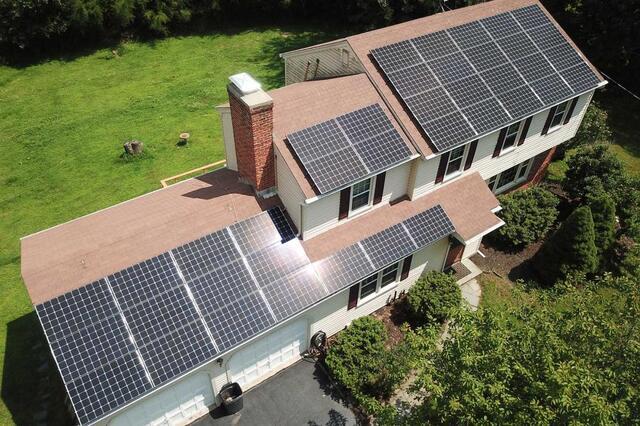
1. How Solar Panels Work (Quick Overview)
Solar panels capture sunlight and convert it into electricity that powers your home. Any excess energy can often be sent back to the grid, potentially earning credits on your electric bill through net metering (availability varies by utility).
Modern systems are designed to last 25–30 years, making solar a long-term investment rather than a short-term upgrade.
2. The Benefits of Solar Panels for Homeowners
Lower Energy Bills
One of the biggest reasons homeowners go solar is to reduce monthly electricity costs. Over time, solar can significantly offset rising utility rates.
Energy Independence
Solar panels reduce your reliance on the power grid. When paired with battery storage, they can even provide backup power during outages.
Increased Home Value
Homes with solar panels are often more attractive to buyers, especially as energy efficiency becomes a higher priority in real estate.
Environmental Impact
Solar energy is clean and renewable, helping homeowners reduce their carbon footprint without sacrificing comfort.
3. When Solar Panels Make Sense
Solar panels tend to work best for homes that meet these conditions:
-
A roof in good condition (new or recently replaced)
-
Minimal shading from trees or nearby structures
-
Consistent sunlight exposure throughout the day
-
Long-term plans to stay in the home
If your roof needs replacement soon, installing a new roof before solar—or choosing a solar-ready roofing system—can save time and money.
4. When Solar May Not Be the Best Option
Solar isn’t always the right choice. It may not be ideal if:
-
Your roof is nearing the end of its lifespan
-
The home is heavily shaded
-
You plan to move within a few years
-
Local utility rates or incentives are limited
In these cases, energy-efficient roofing upgrades or insulation improvements may offer better returns.
5. Solar Panels and Your Roof: What to Consider
Not all roofs are created equal when it comes to solar. Important roofing factors include:
-
Roof material compatibility
-
Roof slope and orientation
-
Structural integrity to support panel weight
-
Proper flashing and waterproofing
A poorly installed solar system can lead to leaks or roof damage, which is why coordination between roofing and solar professionals is critical.
6. Costs, Incentives & Long-Term Value
The upfront cost of solar has decreased over the years, and many homeowners take advantage of:
-
Federal and state incentives
-
Financing options
-
Utility credits
While savings vary, solar panels typically provide the greatest value over time rather than immediate returns.
Final Thoughts: Is Solar Right for You?
Solar panels can be a great investment for the right home—but they’re not one-size-fits-all. The condition of your roof, sun exposure, long-term plans, and local incentives all play a role in determining whether solar is worth it.
Before committing, it’s smart to have both your roof and your home’s energy needs evaluated by professionals. A well-planned solar installation paired with a solid roofing system can deliver decades of savings, efficiency, and peace of mind.
